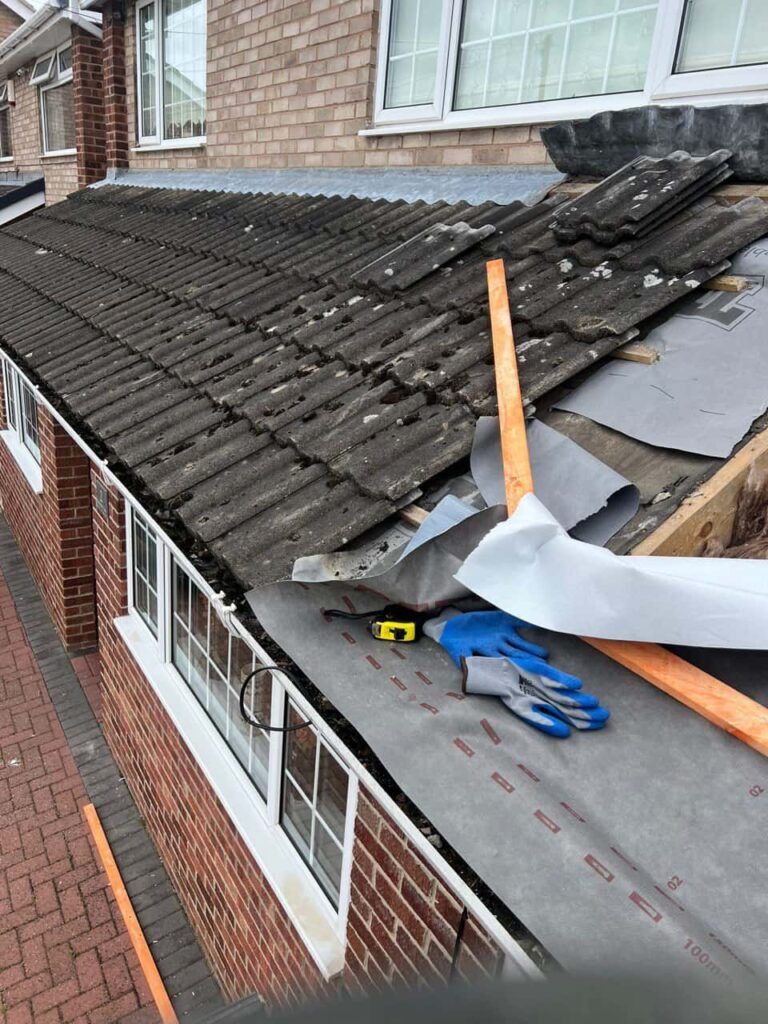
Roofing problems can develop suddenly, particularly during periods of heavy rain, strong winds or severe weather. A slipped tile, damaged flashing or unexpected leak can quickly expose your property to water ingress and further damage. Knowing when a roofing issue requires urgent attention can help you protect your home and respond before the problem becomes more serious.
For homeowners and property owners in Wednesbury, West Midlands, recognising the warning signs of roof damage is an important part of property maintenance. Wednesbury Roofing Repairs provides roofing services to help address urgent problems and restore the protection your roof is designed to provide.
What Qualifies as a Roofing Emergency?
Not every roofing fault requires immediate attention, but some problems can leave a building vulnerable to rainwater, structural damage or falling materials. A roofing emergency generally involves damage that needs prompt action to protect people or prevent further deterioration.
Examples include significant roof leaks, missing tiles following strong winds, damaged roof coverings and loose components that could fall. The urgency depends on the extent of the damage, the weather conditions and whether water is entering the property.
If you are unsure how serious the problem is, it is sensible to seek professional advice rather than waiting for visible damage to worsen.
Severe Roof Leaks and Water Entering Your Home
An active roof leak is one of the clearest reasons to seek urgent roofing assistance. Water entering through the roof can damage ceilings, walls, insulation and belongings. If moisture reaches electrical fittings, it can also create a serious safety hazard.
Warning signs include water dripping from the ceiling, spreading damp patches, bubbling paint and new water stains after rainfall. A leak may appear some distance from the actual point of entry because water can travel along roof timbers or other building materials.
If water is entering your property, move belongings away from the affected area where possible and avoid touching wet electrical fittings. If there is any electrical danger, keep clear and contact a qualified electrician or the appropriate emergency service.
Wednesbury Roofing Repairs can assess roofing damage and help identify the source of the leak so that suitable repairs can be arranged.
Missing or Slipped Roof Tiles After Strong Winds
Strong winds can dislodge roof tiles, ridge tiles and other roofing components. Even if the damage appears minor from the ground, a missing tile can leave the underlying roof structure exposed to rain.
Look for visible gaps in the roof covering, tiles lying on the ground or changes to the roofline after severe weather. You may also notice damp patches inside the loft or ceiling following rainfall.
Loose tiles can present a danger if they fall, so avoid standing beneath damaged areas or attempting to climb onto the roof. A professional roofer can assess the extent of the damage, secure vulnerable sections and replace or reposition affected materials where appropriate.
Prompt attention can help prevent a small area of damage from developing into a more extensive leak.
Storm Damage to Roof Flashing and Flat Roofs
Roof flashing helps prevent water from entering around vulnerable junctions, including chimneys, walls and other roof features. When flashing becomes loose, cracked or displaced during severe weather, rainwater may penetrate these areas.
Flat roofs can also suffer damage when their coverings split, lift or become detached. If the waterproof layer is compromised, water may reach the underlying structure and cause internal dampness.
After a storm, look for visible changes from a safe position, such as displaced materials or water entering the building. Do not attempt to inspect unstable roof coverings yourself.
An urgent professional assessment can help establish whether temporary protective measures or permanent repairs are needed to prevent further water ingress.
When Loose Roofing Materials Become a Safety Risk
Roofing emergencies are not limited to leaks. Loose ridge tiles, damaged chimney components and sections of roofing that have lifted away from the structure may pose a risk to people nearby.
If you notice roofing materials moving in the wind or debris falling from the roof, keep people away from the affected area. Do not attempt to remove loose materials yourself, particularly in poor weather.
A roofing professional can evaluate the danger and determine the safest way to address the problem. Where conditions make immediate repairs unsafe, the priority may be to keep the area clear until the work can be carried out safely.
What to Do While Waiting for Emergency Roofing Assistance
Taking sensible precautions can help limit further damage while you arrange professional help.
- Keep clear of damaged roof areas and avoid climbing ladders or accessing the roof.
- Move furniture and belongings away from leaks if it is safe to do so.
- Place a suitable container beneath a small indoor drip, provided the surrounding area is safe.
- Keep away from sagging ceilings, falling debris and any area where water may have reached electrical fittings.
- Record visible damage from a safe position to help explain the problem to your roofer.
Avoid attempting external repairs during strong winds, heavy rain or other hazardous conditions. A temporary measure that is not installed safely may increase the risk of injury or worsen the damage.
When Can Roofing Repairs Wait?
Some roofing problems require attention but may not constitute an immediate emergency. Examples can include minor surface deterioration, an isolated damaged tile with no active water ingress or ageing materials that remain secure.
However, the distinction is not always obvious. A small defect can allow water to enter during the next period of heavy rain, particularly if it affects a vulnerable junction or waterproof covering.
If you notice a developing problem, arranging an inspection promptly can help establish the level of urgency and prevent avoidable deterioration.
Emergency Roofing Services in Wednesbury, West Midlands
When roof damage occurs unexpectedly, knowing who to contact can make it easier to take the right next step. Wednesbury Roofing Repairs helps property owners in Wednesbury, West Midlands, address roofing faults and assess damage that may leave their buildings exposed to the elements.
Whether you are dealing with a sudden leak, storm-damaged tiles or loose roofing materials, professional advice can help identify the problem and determine the appropriate repair.
If you suspect your roof has suffered urgent damage, contact Wednesbury Roofing Repairs to discuss the issue and arrange an assessment. Acting promptly can help protect your property from further water ingress and deterioration.
Conclusion
Emergency roofing services are important when damage threatens the weather protection of your property, allows water to enter or creates a risk from loose materials. Severe leaks, missing tiles, damaged flashing and storm-related defects should be assessed promptly to reduce the chance of further problems.
For homeowners and businesses in Wednesbury, West Midlands, recognising the warning signs and taking sensible safety precautions can make a significant difference. If your roof has developed a sudden fault, Wednesbury Roofing Repairs can help assess the damage and identify the next steps towards restoring its condition.
Call us on: 0121 827 1893
Click here to find out more about Wednesbury Roofing Repairs
Click here to complete our contact form and see how we can help with your roofing needs.